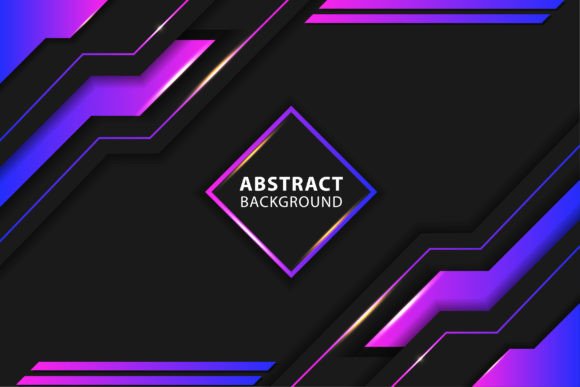
Modern Abstract Backgrounds in Gaming
When you fire up a game these days, it's not just the characters or gameplay mechanics that draw you in. The visual foundation, often subtle yet powerful, is the stage upon which the entire digital experience unfolds. That stage is increasingly set by modern abstract backgrounds. These aren't your old, static mountains or generic star fields. They are dynamic, immersive, and intentionally designed visual environments that serve as a critical, yet often overlooked, component of modern gaming.
More Than Just a Pretty Picture
A modern abstract background for gaming transcends the role of simple wallpaper. Its core function is to establish tone, depth, and context without competing with interactive elements. You'll recognize them by their layered compositions, often blending geometric shapes, fluid gradients, and subtle textures. The color palettes are deliberate—cool blues and purples for sci-fi mystery, vibrant oranges and reds for energetic action, muted earth tones for strategic realism. There's a sense of calculated chaos; patterns feel organized yet unpredictable, creating visual interest that doesn’t overwhelm the player’s focus on the game itself.
The overall appeal lies in its versatility and mood-setting capability. Unlike photorealistic backgrounds, an abstract approach allows for greater artistic interpretation and brand cohesion. It can make a minimalist puzzle game feel sophisticated or a frenetic shooter appear sleek and futuristic. This style carries a personality of being both contemporary and adaptable, providing a clean canvas that supports the game's identity rather than shouting its own.
Where Abstract Gaming Backgrounds Excel
The application of this visual style is broad, touching nearly every facet of the gaming ecosystem. Primarily, they are the bedrock of in-game menus, loading screens, and lobby environments. Here, readability and visual hierarchy are paramount; the background must be compelling enough to feel premium but subdued enough to ensure text and UI buttons are crystal clear.
Beyond the game itself, these assets are powerhouse tools for branding and marketing. A cohesive modern abstract background used across your Steam page, official website, and social media graphics creates instant professional consistency. It tells potential players that your project has a considered visual identity before they even click “play.” For indie developers and small studios, this consistency can elevate a project’s perception, making it feel polished and intentional, which directly influences audience engagement and trust.
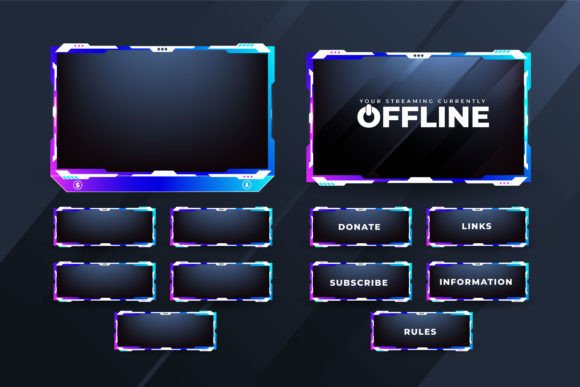
In publishing and content creation, streamers, bloggers, and reviewers leverage these backgrounds for video overlays, channel art, and website headers. The aesthetic ties their content directly to the gaming world they’re discussing, while maintaining a clean, modern look that appeals to an adult audience. It’s a design asset that bridges the game and the community built around it.
Building a Cohesive Visual Language
Integrating a modern abstract background into your project isn't just about dropping in an image. It's about understanding its influence on the entire user experience. The right background establishes a visual hierarchy by providing a mid-tone base. Key UI elements pop against it, guides and objectives feel integrated, and the game world feels deeper. This directly aids readability and reduces visual fatigue during long sessions.
From a brand strategy perspective, this consistency is gold. Using a tailored abstract background across all touchpoints—from the game icon to your Twitter posts—builds strong recognition. Players begin to associate that specific visual mood with your brand. For entrepreneurs and marketers in the gaming space, this is a low-cost, high-impact method to cultivate professionalism. It signals that you care about the holistic presentation, which, in a crowded market, can be a decisive factor.
Practical Steps for Selection and Implementation
Choosing the right modern abstract background for your gaming project requires a practical, project-first approach. Start by evaluating the core emotion of your game. Is it tense, contemplative, joyful, or mysterious? Your background should be an extension of that feeling. Look for assets with layered PSD files or multiple variations; this allows you to adjust colors or element density to better match your game’s palette.
Testing for readability is non-negotiable. Place your primary UI text and critical icons over the background in real-world scenarios. Does the contrast hold up? Are there any busy areas that could distract? View it on different screens—a bright monitor and a dim mobile device. Pairing the background with your chosen typography is also key. A stark, modern sans serif font might work perfectly with a geometric abstract background, while a more ornate display font could clash.
Always, always review the license. If you're a developer, blogger, or content creator using these assets commercially, ensure the license covers your intended use—game integration, marketing, and monetized videos. Premium or commercial font and asset packages often provide this clarity and the peace of mind that your project’s foundation is legally secure. Investing in a high-quality, versatile asset pack can save countless hours and legal headaches down the line.
Real-World Applications and Observations
Let’s look at a practical example. Imagine a tactical card game targeting a mature audience. A photorealistic background of a warzone might feel off-putting or distracting. Instead, a modern abstract background using muted greens and grays with subtle, grid-like textures could evoke the feeling of strategy, maps, and calculated moves. It feels intellectual and clean, directly supporting the game's mechanic.
Another observation from the web design side: many successful gaming service websites use abstract backgrounds in their hero sections. They combine a dynamic background with clear, bold typography announcing a new patch or event. The background provides energy and a gaming-centric vibe, while the text remains perfectly legible, driving user action.
The recommendation is to think of your background as a supportive actor, not the star. Its job is to make the main elements—the gameplay, the UI, the message—perform better. By selecting a modern abstract background with intention, testing its integration thoroughly, and leveraging it consistently across your brand, you build a stronger, more engaging, and more professional gaming experience from the first glance to the final click.