Integrating “A Day Without Gaming” Funny T-Shirt Designs into Modern Creative Workflows
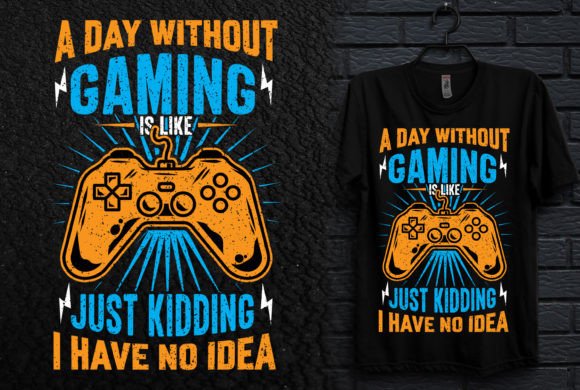
The phrase “A Day Without Gaming” has become more than just a humorous sentiment among enthusiasts; it’s a cultural touchpoint ripe for creative expression. For professionals, creators, and hobbyists, transforming this idea into a tangible product—specifically a “A Day Without Gaming Funny T-Shirt”—is a practical project that intersects with digital design, personal branding, and small-scale commerce. This process, from conceptualization to final file delivery, offers a clear model for integrating creative assets into broader workflows.
The Role of a Ready-Made T-Shirt Design in Your Creative Process
A pre-designed digital file for a “A Day Without Gaming Funny T-Shirt” serves as a significant workflow accelerant. Instead of allocating hours to sketching, typography selection, and vector creation, you acquire a finalized asset. This fits perfectly into a planning phase where time and resource efficiency are paramount. For a small business owner launching a niche merchandise line, a blogger creating limited-run items for their community, or an educator organizing a themed event, starting with a high-quality design file provides a solid foundation upon which other project components can be built.
This approach is particularly advantageous for those who manage multiple projects simultaneously. The design becomes a modular component. You can immediately shift your focus to the execution tasks: selecting print providers, configuring e-commerce listings, or planning a marketing campaign. The design asset, in this case, acts as a solved problem, freeing up cognitive and calendar space for the logistical and promotional challenges that follow.
Understanding the File Package and Its Practical Applications
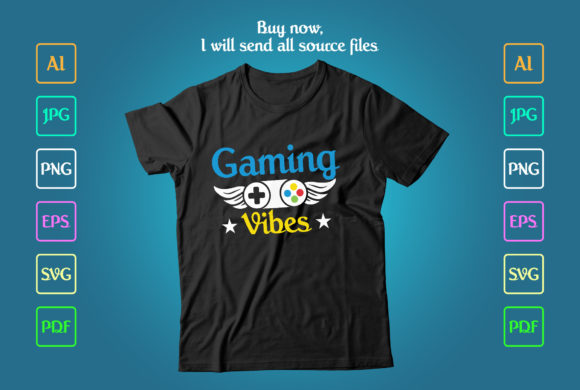
A standard package, as noted in our store, includes the essential file formats: EPS 10, JPG, and PNG with transparency. Each format serves a distinct purpose in a professional workflow, and understanding this compatibility is key to smooth implementation.
The EPS 10 file is a vector format. This is crucial for scalability and quality control. Whether you’re sending the design to a large-scale t-shirt printer or adapting it for different product sizes (like mugs or posters), the vector file ensures the artwork remains crisp without pixelation. For long-term use and brand consistency, maintaining a master vector file is a best practice.
The JPG provides a high-resolution raster image suitable for direct use in many online print-on-demand platforms. It’s also the ideal format for creating mock-up images for your storefront or social media previews, giving potential buyers a clear view of the final product.
The PNG with transparency is arguably one of the most flexible assets. The transparent background allows you to overlay the design onto various colored t-shirt images or website backgrounds without tedious manual cropping. This is invaluable for creating professional-looking promotional graphics quickly. For marketers and freelancers creating ad banners or email campaign visuals, this file type significantly speeds up the production process.
Workflow Integration: From Digital File to Finished Product
Integrating this t-shirt design into your routine requires a few practical steps focused on organization and preparation. The files are compressed into a single ZIP archive—a common standard for digital asset delivery. Using a utility like 7-Zip, WinRAR, or the built-in extractor in your operating system, you first decompress the package. This initial act of file management is a simple but critical step; establishing a dedicated folder on your drive or cloud storage for such project assets aids in future retrieval and project archiving.
Once extracted, your workflow diverges based on your end goal. If you are a creator using a print-on-demand service like Shopify or Etsy integrations, you would typically upload the JPG or PNG file directly to the product template. The transparency of the PNG file often allows the service’s system to automatically apply the design to different garment color options, enhancing the shopper’s experience.
For an entrepreneur dealing directly with a local printer, the EPS file is the preferred submission. Communicating with your printer about the file format they require is part of the preparation phase, ensuring compatibility and avoiding last-minute format conversions that could compromise quality.
Considerations for Usability and Long-Term Value
The quality of the source design directly impacts the usability of the files. High-quality work, as emphasized in the product features, means clean lines, properly managed color spaces, and organized vector layers (within the EPS file). This quality allows for straightforward customization if needed. Perhaps you wish to alter the color scheme to match a specific event or add a small secondary graphic. Having a well-structured vector file makes such modifications feasible without starting from scratch, offering long-term value beyond the initial purchase.
Furthermore, these digital files are non-expiring assets. Unlike a subscription-based design tool, you own the files outright. This permits their reuse for future campaigns, anniversary sales, or as part of a larger branded merchandise collection. For productivity-minded users, this represents a smart investment: a one-time acquisition that can yield multiple outcomes over time, supporting various special day occasions as mentioned, from gaming community events to personal gifts.
Interaction with Other Tools and Platforms
The journey of a “A Day Without Gaming Funny T-Shirt” design doesn’t end with the files. It interacts with a suite of other tools and resources. E-commerce platforms are the primary destination. Understanding how your chosen platform handles image uploads, product variant creation, and mock-up generation is essential. Pairing the design asset with a robust platform turns the creative component into a sellable product.
Marketing and social media tools are next. The PNG file with transparency is easily imported into graphic design software like Canva or Adobe Express to create social posts, or even into video editing tools for short promotional clips. The design becomes a visual anchor for your promotional efforts across multiple channels.
Finally, it interacts with your audience and their decisions. The humorous, relatable concept of the design is itself a communication tool. It can foster community engagement, serve as a conversation starter, or function as a reward for loyal supporters. Integrating the shirt into a broader community strategy or loyalty program is a natural extension of the workflow.
Practical Implementation Tips for a Seamless Process
To ensure a smooth integration, consider these actionable steps:
- Audit Your End Platform First: Before purchasing or downloading any design, confirm the technical specifications (file type, dimensions, DPI) required by your printing service or e-commerce platform. This prevents compatibility issues.
- Establish a Digital Asset Library: Create a consistent system for storing and naming such design files. Include the project name, date, and file types in the folder name. This organizational habit pays dividends when managing multiple design projects.
- Perform a Quality Check Post-Download: Immediately open each file type (EPS, JPG, PNG) in appropriate software to verify the artwork appears as expected. Check the PNG’s transparency by placing it over a colored background.
- Plan the Adjacent Tasks Concurrently: While the design asset is secured, simultaneously begin drafting your product description, pricing strategy, and launch timeline. Treating these as parallel tracks, rather than sequential steps, accelerates overall project completion.
The process of utilizing a “A Day Without Gaming Funny T-Shirt” design file exemplifies how a focused creative asset can streamline a multi-stage project. It removes a major variable—original design creation—and provides a reliable, high-quality component ready for deployment. For the professional seeking to add merchandise, the marketer building a campaign around a popular theme, or the individual creating a unique gift, this workflow is a testament to the power of integrating ready-made, professional digital assets into a well-planned execution framework. The outcome is not just a t-shirt, but a completed project milestone achieved with greater efficiency and consistent quality.