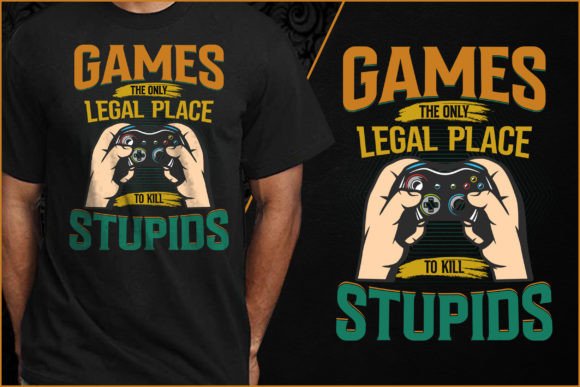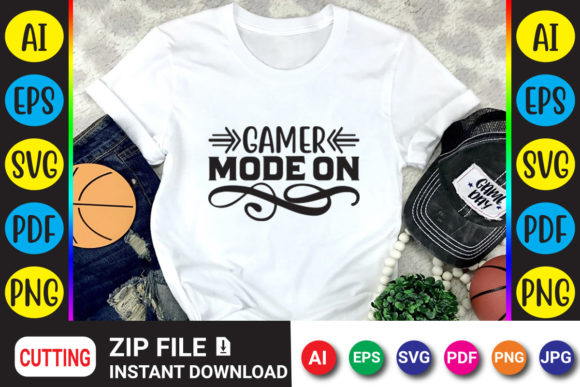
Unlocking Gamer Mode: The Practical Approach to Gaming T-Shirt Design
In the world of digital design and merchandising, the concept of a "Gamer Mode" approach represents a shift towards a focused, efficient, and results-oriented workflow. When applied specifically to gaming t-shirt design, it means adopting a mindset and a set of tools that streamline the creation process from initial concept to final, marketable product. This isn't about a specific software feature, but rather a holistic methodology for creators who need to produce high-quality, brand-consistent designs quickly and reliably.
The Role of Gamer Mode Design in the Creator's Workflow
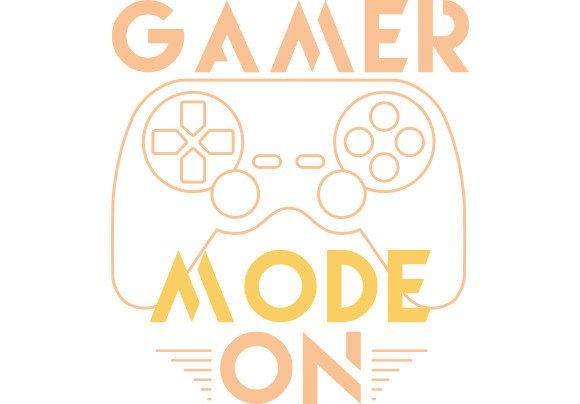
For professionals, entrepreneurs, and hobbyists creating gaming apparel, the design phase is a critical bottleneck. Ideas must be transformed into vector art, colors need to be palette-perfect for printing, and the final files must be compatible with a myriad of production technologies. A Gamer Mode on Gaming T-Shirt Design workflow addresses this by prioritizing asset readiness and process integration. It fits into the broader process after ideation and sketching, but before the submission to a print-on-demand service or a bulk manufacturer. It is the bridge between a cool concept for a "Retro Platformer Pixel Art" shirt or an "Epic Boss Fight" logo and a viable digital product.
Core Components: The Instant Download Digital Package
The tangible output of this workflow is often a comprehensive digital file package. For a project tagged with "Gamer Mode," a designer typically finalizes a suite of files for instant download. This package, which includes 1 AI file, 1 SVG file, 1 PNG file, 1 EPS file, and 1 PDF file, is not an arbitrary collection. Each format serves a distinct, practical purpose in the implementation chain.
- AI and EPS files are the industry-standard vector formats for professional print shops and for further editing in advanced design software.
- The SVG file is crucial for web use and compatibility with cutter software like Silhouette Studio, often used for homemade vinyl applications.
- The PNG provides a ready-to-view, high-resolution raster image for mock-ups, online listings, or social media previews.
- The PDF acts as a universal, often client-friendly, document for proofing and for systems that accept standardized formats.
The immediate availability of these files—the instant download after purchase—eliminates wait times, allowing the next steps in the workflow (marketing, production setup) to begin without delay. The clear note that NO PHYSICAL ITEMS WILL BE SENT aligns the buyer's expectations with the digital product's nature, focusing the transaction on the transfer of intellectual property and production-ready assets.
Integration with Tools and Production Environments
A true Gamer Mode design package is built for compatibility. Mentioning specific tools like Cricut, Silhouette, Inkscape, Adobe Photoshop, and Adobe Illustrator isn't just a feature list; it's a declaration of workflow preparedness. Each software platform represents a different node in a creator's ecosystem.
A small business owner using a Cricut machine to make custom team jerseys needs the SVG. A freelance graphic artist subcontracting a design might need the AI file to integrate it into a larger client brochure. A marketer might use the PNG to create ads for the upcoming shirt launch. By providing multi-format files, the design asset becomes fluid, moving seamlessly between different stages and stakeholders in the project lifecycle. This interoperability is a key factor in efficiency and reduces the friction of "file conversion" tasks that often stall projects.
Preparation and Quality Control in the Design Phase
Implementing a Gamer Mode approach requires upfront preparation during the design phase itself. The designer must work in a vector-based program like Adobe Illustrator, ensuring the core artwork is scalable and editable. From this master file, the derivative formats (PNG, PDF, SVG, EPS) are generated systematically. This process enforces quality control: the same logo appears consistently crisp on a website thumbnail (PNG) and on a large-format printed shirt (EPS). Organization is also critical—labeling layers logically in the AI file, using appropriate color profiles, and bundling the final outputs into a clearly named zip folder or download link. This meticulous prep work upfront pays dividends in long-term use, as the files can be reused for different products (like hats or posters) without needing to recreate assets.
Practical Implementation for Different Users
How you integrate this ready-made design package into your routine depends entirely on your role in the process.
For a small business owner running an online gaming merch store, the instant download is a procurement step. Upon purchase, the files are immediately transferred to a designated cloud folder linked to your print-on-demand service provider. The workflow trigger is the purchase confirmation email; the action is uploading the EPS file to your vendor's portal.
For a content creator or blogger, the PNG file might be used instantly to create a visual for a review article or a YouTube video about gaming culture, while the SVG could be used later to create custom merchandise for your own channel's loyal subscribers.
For a hobbyist or event organizer planning a local gaming tournament, buying such a design package allows you to swiftly procure branded artwork. You can send the PDF to a local printer for a quote for participant t-shirts, and use the PNG to update the event's website and social media banners, creating a consistent visual identity without hiring a designer.
In each case, the triggering event is the download receipt. The subsequent steps are defined by your operational needs, but the common thread is the removal of design delay and format uncertainty.
Observations on Efficiency and Scalability
Adopting this method reveals practical observations about modern digital goods workflows. First, it decouples the design creation from the physical production, allowing for global distribution and asynchronous work. A designer in one hemisphere can finish a "Gamer Mode" package at night, and a retailer in another can begin production with it in the morning. Second, it highlights the importance of asset liquidity—digital files that can be "spent" across multiple platforms. A single, well-prepared gaming t-shirt design can fuel a product listing, a social media campaign, a manufacturer's order, and a community fan-art project. This scalability is central to a productive, growth-oriented workflow for entrepreneurs.
Ultimately, embracing a Gamer Mode on Gaming T-Shirt Design is about recognizing that the value lies not just in the final visual, but in the readiness and flexibility of the underlying digital assets. It’s a process-oriented choice that favors execution over deliberation, providing creators with the components they need to move their projects from concept to reality with confidence and speed. By focusing on compatibility, immediate access, and multi-format utility, this approach integrates cleanly into the demanding, tool-driven workflows of today's designers, merchants, and gaming community builders.