The Definitive Guide to Editable Text Effect Gaming Style for Graphic Designers
In the competitive and visually saturated realm of gaming media, branding, and content creation, standout typography is not merely an embellishment—it’s a necessity. For designers, marketers, and developers seeking to inject a potent, genre-specific aesthetic into their projects, editable text effect gaming style resources have become a pivotal tool. This particular style refers to pre-designed graphic files, typically delivered in vector formats like EPS, that contain stylized text effects embodying the energetic, futuristic, and often high-impact visual language of gaming culture. Unlike static images or locked fonts, the core value lies in their complete editability: every letter, every effect layer, and every color can be modified to suit a specific need.
What Makes Editable Gaming Text Effects Distinct?
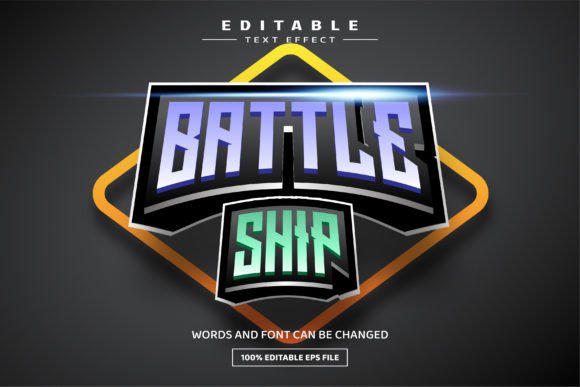
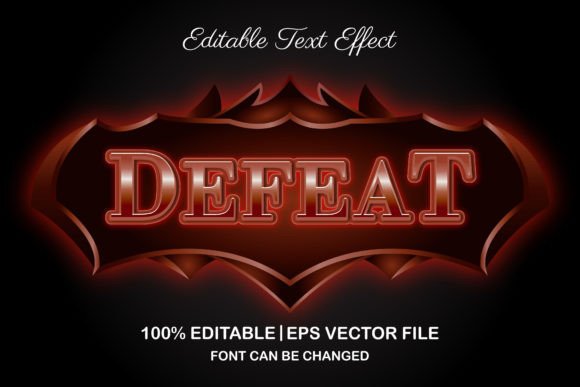
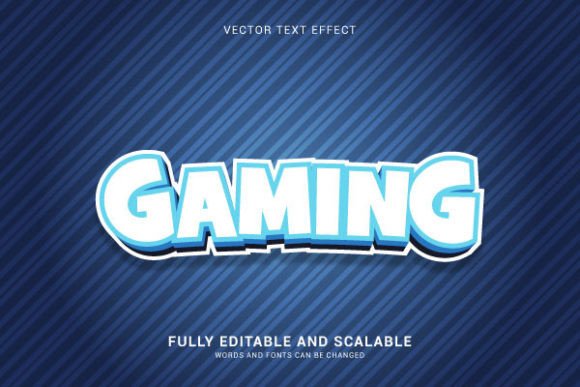
The defining characteristic of an editable text effect gaming style package, such as one offering 100 editable fonts and words, is its hybrid nature. It bridges the gap between a font and a complex illustration. While a standard gaming font provides the shape of the letters, an editable text effect adds complete dimensional styling—including highlights, shadows, glows, textures, and background elements—all maintained within a vector framework. This means the design arrives not as a flat JPEG, but as a collection of neatly arranged layers in a folder within software like Adobe Illustrator or CorelDRAW. The user can disassemble the effect, change the base word from "PLAY" to "RANKED," adjust the neon glow from blue to orange, or scale the entire composition to any size without any loss of quality, thanks to the high-resolution vector data.
This is fundamentally different from creating such effects manually for each project. Manual creation requires significant skill in vector illustration and consistent time investment. It also differs from using standard, non-editable stock graphics, which offer no customization and often result in a generic, repetitive look across different brands. The editable text effect gaming style provides a sophisticated starting point, drastically accelerating the design process while preserving unique creative control.
Evaluating Key Features and Practical Benefits
When assessing a quality resource in this category, several features stand out as critical for professional use. The promise of fully editable layers is paramount. A neatly arranged layer structure is not a minor convenience; it is essential for efficient workflow. It allows designers to quickly isolate specific elements, such as the outer stroke or a background lightning bolt, to edit them independently.
File Format and Compatibility Considerations
The inclusion of multiple file types in a .zip package—typically EPS for vector editing, CC files for newer Adobe Illustrator versions, and high-resolution JPG for quick previews or fallback use—addresses different user scenarios. The EPS format ensures broad compatibility across various vector software, while the CC files offer smoother integration with recent Illustrator features. This flexibility is a significant advantage over resources that offer only a single, potentially obsolete format.
The Scope of Editability: Words and Fonts
A package offering 100 editable fonts and words presents a substantial library. This doesn’t mean 100 different font families, but often a collection of pre-composed popular gaming terms and titles ("START", "LEVEL UP", "MISSION", etc.) rendered in a variety of complementary effect styles. The true power is that the underlying text itself is editable. You are not bound to the preset word; you can replace it with your own branding or message while retaining the entire complex effect. This level of editability is where the value proposition crystallizes, enabling customization that feels original.
Comparing Approaches: When is This Style the Right Fit?
Choosing an editable text effect gaming style resource is a matter of evaluating tradeoffs against alternative approaches. For a design team working on a suite of assets for a new game launch—including website banners, social media promotions, and in-game UI titles—this approach offers immense efficiency. The consistency in style across multiple assets can be maintained easily, and the scalable vector format ensures quality from a tiny app icon to a large poster.
However, for a project requiring a wholly unique, never-before-seen typographic logo that must become a central intellectual property, a custom commission from a lettering artist might be a more appropriate path. The editable effect provides a template-style foundation; it can be heavily modified, but it originates from a pre-existing design concept. Its strength is adaptation, not necessarily ground-breaking invention.
Another comparison point is using advanced 3D modeling or animation software to create dynamic text. While this yields spectacular, animated results for trailers or high-end CGI, it requires specialized skills and is often not suitable for quick, static graphic needs like print merchandise or static web graphics. The editable vector effect sits in a pragmatic middle ground: offering high visual impact with a relatively low technical barrier for graphic designers already familiar with Illustrator.
Understanding Limitations and Best Practices
Recognizing the limitations of any tool is key to effective use. An editable text effect gaming style file is not a magic solution. Its output quality is ultimately dependent on the user's own vector editing skills. Poor color choices or awkward compositional changes can diminish the professional look. Furthermore, these resources often embody a specific sub-genre of gaming aesthetic—such as cyberpunk, retro arcade, or modern military—and may not seamlessly fit a project with a totally different visual tone, like a casual mobile puzzle game.
The best-fit situations are clear: time-sensitive projects, recurring needs for gaming-themed graphics, and teams where design resources are limited. It is also an excellent learning tool for designers studying how complex vector effects are constructed, as deconstructing the layered files provides direct insight into professional technique.
Decision Factors for Designers and Marketers
When evaluating whether to utilize such a resource, consider these factors:
- Project Volume and Pace: Are you creating a large batch of graphics under a tight deadline? The templated efficiency is a major benefit.
- Brand Consistency Needs: Does your project require a uniform typographic style across many outputs? The editable base ensures consistency.
- Skill Level: Do you or your team possess competent vector editing skills to leverage the files fully?
- Budget for Custom Design: Does the budget allow for fully custom lettering, or is a customizable premium resource a more cost-effective midpoint?
- Final Output Mediums: Will the graphics be used across scalable mediums (web, print, merchandise)? The vector format is ideal.
In practice, a streaming content creator might use an editable text effect gaming style to generate a series of unique, high-impact thumbnails for their video series, changing the text weekly but keeping the recognizable energetic style. A small indie game studio might use it to craft their main title logo and all in-game button text, ensuring a polished look without a large art budget.
Navigating Alternatives and Making an Informed Choice
The landscape of typographic resources is vast. Alternatives range from free, non-editable gaming fonts (which lack effects) to premium, scripted font packs that include some basic stylistic alternates. The editable text effect gaming style occupies a specific niche: high visual completeness with operational flexibility. If your need leans more towards a versatile typeface family for long paragraphs of text in a game manual, a well-made gaming font would be more suitable. If your need is for a single, spectacular logo with total uniqueness, custom design is the path.
Ultimately, the decision hinges on the balance between originality, time, budget, and technical capability. Editable text effect gaming style resources serve as a powerful accelerator and quality foundation. They democratize access to complex typographic design, allowing creators to achieve a professional gaming aesthetic efficiently. By understanding their distinct features, ideal use cases, and reasonable limitations, designers can strategically incorporate them into their workflow, making informed choices that enhance their projects without compromising on creative direction or practical demands.