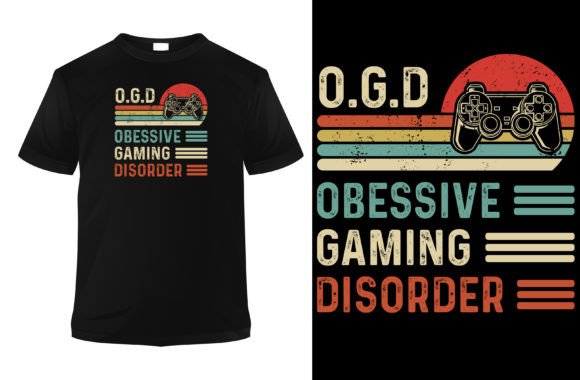
O.G.D OBESSIVE GAMING DISORDER: From Concept to Creative Expression
The term O.G.D OBESSIVE GAMING DISORDER has emerged from a blend of gaming culture and psychological observation. It describes a state of intense, sometimes all-consuming focus on video games, where gameplay becomes a central, organizing principle in a person's life. While not a formal clinical diagnosis, it captures a familiar experience for many gamers and those around them—the late-night sessions, the meticulous strategy planning, the deep immersion in virtual worlds. It's a concept that resonates because it speaks to a passion that borders on obsession, a theme ripe for creative exploration beyond the screen itself.
Transcribing a Digital Phenomenon into Physical Art
What makes O.G.D OBESSIVE GAMING DISORDER such a compelling idea for design is its inherent duality. It represents both a passion and a potential problem, a hobby and a lifestyle. This complexity translates powerfully into visual art. For creators, it's not just a phrase; it's a narrative shorthand. It can evoke nostalgia for a specific game era, pride in a hardcore gaming identity, or even serve as a humorous, self-aware badge for those who recognize their own gaming habits. This opens up a vast landscape of application, moving the concept from a digital behavior into a tangible form of self-expression.
Real-World Applications: Where This Design Comes to Life
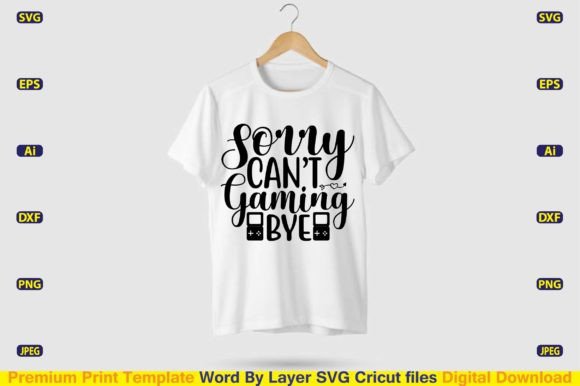
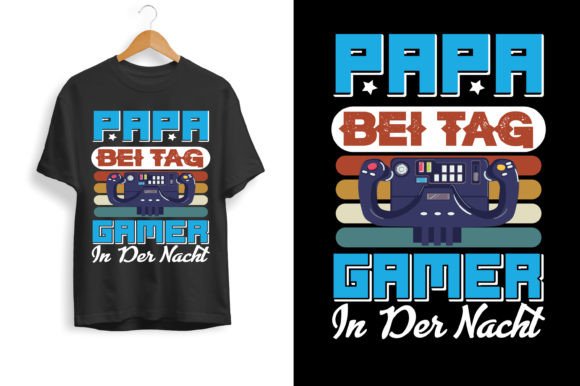
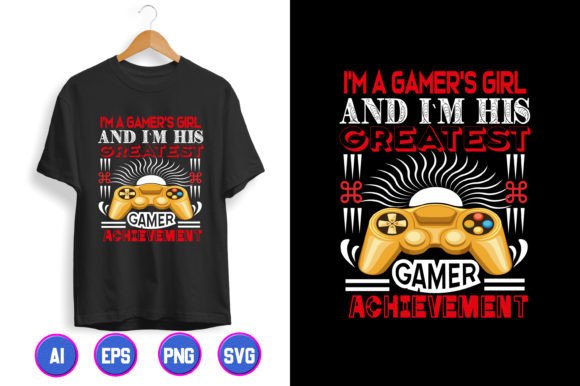
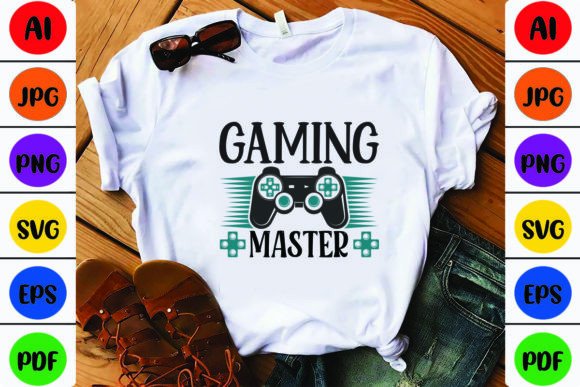
Imagine a small, independent print shop specializing in esports merchandise. Using O.G.D OBESSIVE GAMING DISORDER as a central design motif on team T-shirts transforms a simple uniform into a statement of dedication. It tells fans and competitors alike that this team's commitment is extreme, blurring the line between disorder and disciplined skill. On a personal level, a custom mug with this design isn't just a coffee cup for a game developer or a passionate streamer; it's a daily reminder of the culture they inhabit and contribute to, a piece of their professional and personal identity sitting on their desk.
In the world of crafting and personalization, this phrase offers immense utility. For someone creating a scrapbook page about their journey through a massive, years-long RPG, O.G.D OBESSIVE GAMING DISORDER printed onto a vinyl decal or sticker becomes the perfect title. It humorously and accurately labels that section of their life. Similarly, a cut machine can use this design to produce intricate iron-on transfers for a hoodie, a gift that perfectly encapsulates a friend's known propensity for weekend gaming marathons.
Audiences and Their Unique Connections
The appeal of designs centered on O.G.D OBESSIVE GAMING DISORDER crosses several distinct audiences, each finding a different value in it.
Gaming Communities and Content Creators: For streamers, YouTubers, and esports organizations, this design is branding. It's a way to visually communicate the intensity of their niche. It can be used on poster cards for event announcements, printable decorations for studio backgrounds, or on merch bags sold to their most dedicated followers, creating a cohesive and recognizable aesthetic that speaks directly to their community's experience.
The Self-Reflective Gamer: Many adults who grew up with gaming wear their history with a mix of pride and irony. A T-shirt with this design isn't necessarily a boast; it can be a witty, self-deprecating acknowledgment of their own habits. It says, "I know what I am," and connects them with others who share that same awareness. It's personal, relatable, and often sparks conversations.
Designers and Crafters: For artists working in the digital space, looking for themes with cultural relevance, O.G.D OBESSIVE GAMING DISORDER provides a ready-made, text-based concept with high resonance. It's a versatile element for cards, invitation designs for gaming-themed parties, or engraving on tech accessories like laptop sleeves. Its strength lies in its semantic weight—it carries meaning immediately, saving the designer from having to build a complex visual metaphor.
Practical Considerations Before Using the Design
While the concept is versatile, its application requires some thought. The phrase O.G.D OBESSIVE GAMING DISORDER has a specific tone. It leans towards the gritty, intense, and arguably negative side of gaming passion. It might not suit a brand aiming for a family-friendly, purely celebratory vibe. Matching the design's attitude with the intended message is crucial.
Another consideration is context. On a mug used in a professional office setting, it might be read as a genuine critique rather than a joke. On a bag or clothing item in a casual, social gaming environment, its meaning is clearer. The medium changes the reception. Also, for commercial use, one must ensure the design is original enough to avoid trademark issues, though the phrase itself is likely considered a general cultural observation rather than a protected mark.
A potential limitation is its specificity. It speaks most powerfully to those already deep within gaming culture. Its value as an obscure or ironic reference might be lost on a broader, general audience. Therefore, it's most effective when targeted towards niches where its meaning will be instantly unpacked and appreciated.
Strengths as a Creative Asset
The primary strength of O.G.D OBESSIVE GAMING DISORDER as a design foundation is its conceptual density. It packs a story into a few words. This makes it incredibly efficient for projects where space or visual simplicity is key, like on a small vinyl sticker for a laptop or a minimalist engraving on a pen. It serves as both artwork and commentary.
Its second strength is its cultural timeliness. As gaming continues to dominate entertainment and social interaction, themes exploring its psychological and social impact are increasingly relevant. This design taps directly into that contemporary conversation, making it feel current and engaged with the lived experience of a large demographic.
Finally, it offers flexibility in interpretation. It can be rendered in a gritty, distressed font to emphasize the "disorder" aspect, or in a clean, modern typeface to lean more towards the "obsessive gaming" as a badge of honor. The color palette—from dark and serious to bright and retro gaming—can completely shift its message. This allows one design concept to serve multiple intents across different products.
From a simple iron-on transfer for a personal project to a professional vector file used for commercial clothes printing, the journey of O.G.D OBESSIVE GAMING DISORDER from a behavioral concept to a creative element showcases how digital culture continually inspires physical art. It allows individuals and businesses to materialize a shared experience, creating products that are not just objects, but expressions of identity, humor, and community belonging.